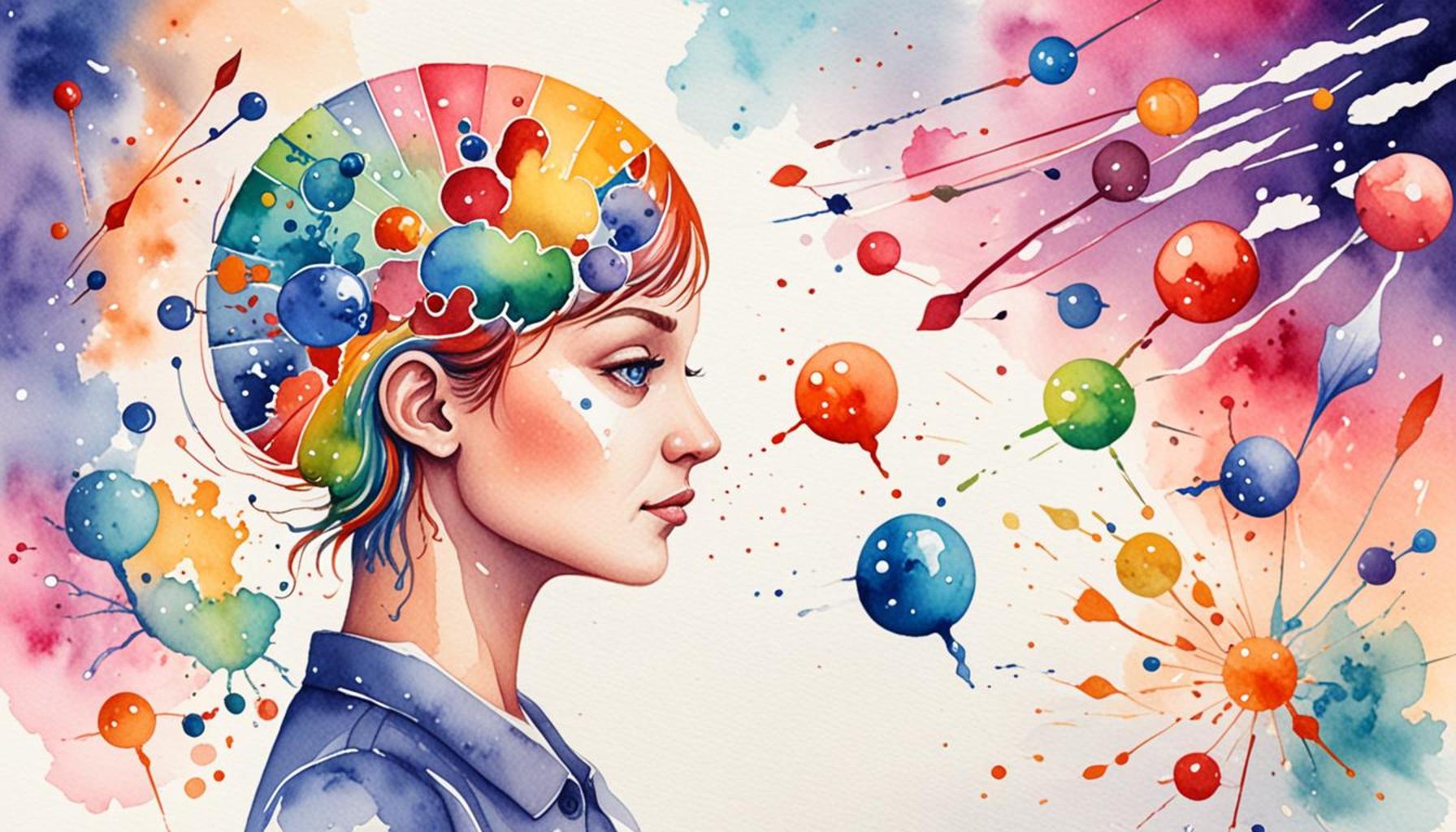
How Challenging Puzzles Can Boost Neuroplasticity and Long-Term Memory
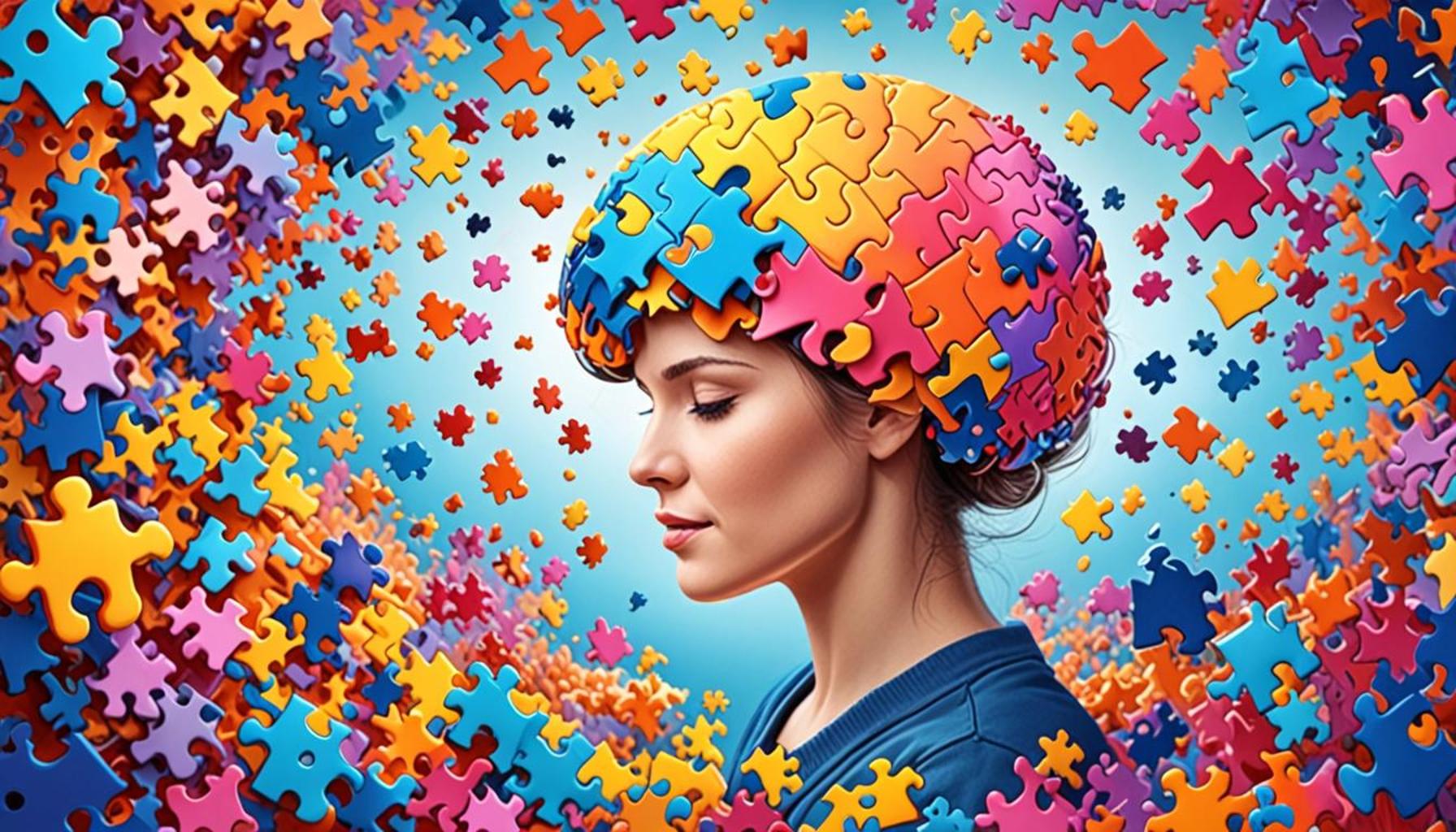
Unlocking the Secrets of the Mind
In an era saturated with distractions, maintaining a sharp mind is increasingly crucial. Engaging in challenging puzzles not only provides entertainment but also fosters significant enhancement of our cognitive functions. Recent studies indicate that these mental exercises can lead to enduring improvements in neuroplasticity and long-term memory, paving the way for a more agile and adaptive mind.
The Brain’s Adaptive Nature
Neuroplasticity reflects the brain’s extraordinary capability to reorganize itself by forging new neural connections. This adaptability facilitates numerous functions vital for daily living, including:
- Learning and acquiring new information, which is essential for personal and professional growth.
- Recovering from injuries, particularly relevant for stroke survivors or individuals suffering from traumatic brain injuries.
- Adapting to shifting environments, a skill that has become crucial in today’s fast-evolving world.
Challenging puzzles such as crosswords, Sudoku, and logic problems stimulate brain growth by engaging critical thinking and creativity. For instance, solving a challenging puzzle can lead to a sense of achievement and satisfaction, potentially releasing dopamine, known as the “feel-good” neurotransmitter. This creates a positive feedback loop, encouraging further mental engagement.
Puzzles and Memory Enhancement
Emerging research underscores that tackling these intellectual challenges can enhance long-term memory through:
- Strengthening neural pathways, which fortify the connections between neurons, increasing overall brain efficiency.
- Increasing mental flexibility, enabling individuals to think outside the box and approach problems from various angles.
- Enhancing information retention, a crucial aspect of daily life where remembering details can impact our performance at work and in social situations.
In Nigeria, where traditional games such as Oware and riddles are deeply cherished, these activities not only serve as recreational pastimes but also hold potential cognitive benefits. Oware, a strategic board game, often encourages players to think critically about their moves, enhancing strategic planning and foresight. Similarly, local riddles involve pattern recognition and imaginative thinking, further promoting mental sharpness.
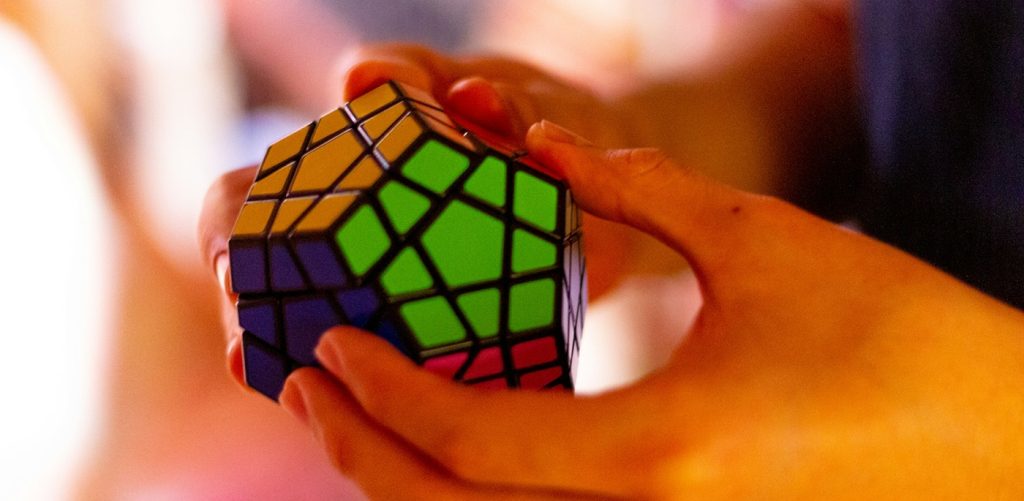
By exploring the dynamic link between challenging puzzles and cognitive development, we unearth innovative methods to harness their potential for improving mental health and preserving memory. As individuals incorporate these activities into their daily routines, they may discover profound effects on their overall mental acuity and well-being.
LEARN MORE: This related article may interest you
The Cognitive Workout: How Puzzles Enhance the Brain
Challenging puzzles serve as a remarkable workout for the brain, engaging multiple cognitive processes that stimulate neuroplasticity and aid long-term memory retention. By consistently confronting complex problems, individuals activate various regions of the brain that are responsible for critical thinking, reasoning, and memory. Such mental exercises not only provide a break from the mundane but also fortify synaptic connections, leading to long-term structural changes in the brain.
The Science Behind Neuroplasticity
Understanding the principles of neuroplasticity reveals why engaging with puzzles is beneficial for cognitive health. When challenged with difficult tasks, the brain adapts, creating new neural pathways in response to new experiences and information. Research suggests that participating in challenging activities promotes the following cognitive benefits:
- Enhanced problem-solving skills: Individuals who frequently engage with puzzles develop a knack for analyzing problems and devising creative solutions. This skill can be invaluable in both work and everyday life.
- Improved focus and attention: Concentrating on intricate puzzles helps hone attentional control, which is essential in a world filled with distractions.
- Better emotional regulation: Successfully completing a tough puzzle generates a sense of accomplishment, positively affecting mood and personal motivation.
The link between puzzles and memory enhancement has been highlighted in numerous studies. Research has demonstrated that the act of solving puzzles stimulates the hippocampus—the area of the brain deeply involved in memory formation. As individuals navigate through challenging puzzles, they are not only recalling information but also forming new memories that solidify learning. This process of information retention allows for better performance in various aspects of life, from academic pursuits to social interactions.
Cultural Practices and Cognitive Benefits
In Nigeria, traditional pastimes such as Damii and other strategic card games are excellent examples of culturally relevant puzzles that foster cognitive development. Engaging in these games requires tactical thinking and foresight, as players navigate through choices while anticipating their opponents’ strategies. This mental agility contributes to mental flexibility, equipping players with sharper cognitive skills applicable in real-life situations.
Furthermore, local story-telling traditions and riddles promote pattern recognition and problem-solving abilities. This cultural fabric widens the scope for cognitive engagement, showcasing the relationship between traditional practices and modern scientific understanding of cognitive health. As communities embrace these traditions, they not only preserve cultural heritage but also enhance collective mental faculties.
In essence, incorporating challenging puzzles into one’s routine presents an opportunity to tap into the brain’s potential for neuroplasticity and memory improvement. As more individuals recognize the cognitive benefits derived from routine puzzle-solving, they inadvertently nurture a culture of mental resilience and adaptive thinking.
Puzzles are not just a form of entertainment; they are a powerful tool for enhancing brain function and encouraging neuroplasticity. Neuroplasticity refers to the brain’s ability to reorganize itself by forming new neural connections, which is crucial for learning and memory. Engaging with challenging puzzles can stimulate this growth, making it an effective activity for individuals of all ages.
One of the key advantages of challenging puzzles is their ability to improve cognitive function. When individuals tackle difficult puzzles, such as crosswords or logic games, they are forced to think critically and creatively, activating various parts of the brain. This mental workout not only strengthens existing neural pathways but also fosters the creation of new connections, supporting long-term memory retention. Research indicates that regular engagement with such cognitive challenges can lead to improved problem-solving skills and greater cognitive flexibility.
Moreover, as individuals face the hurdles presented by complex puzzles, they develop perseverance and patience. These qualities are beneficial not only in puzzling but also in real-life situations where critical thinking and resilience are required. Furthermore, many studies have shown that older adults who regularly participate in puzzle-solving activities exhibit a lower risk of cognitive decline, highlighting the long-term benefits of keeping the brain active.
In a culture that increasingly values brain health, incorporating challenging puzzles into daily routines may serve as a proactive approach to enhance memory and counter age-related decline. The more diverse the puzzles—spanning categories like math, words, and logic—the broader the beneficial impact on neuroplasticity and cognitive development.
As we continue to uncover the intricacies of the brain, the relationship between challenging puzzles, neuroplasticity, and memory becomes even more fascinating. Engaging with these cognitive challenges can be a delightful and rewarding path to optimizing brain health.
| Category | Details |
|---|---|
| Cognitive Function | Challenging puzzles stimulate critical thinking and creativity. |
| Memory Enhancement | Regular puzzle engagement improves long-term memory and cognitive flexibility. |
YOU MAY ALSO LIKE: Read read another article
Cross-Generational Appeal: Puzzles in the Family Sphere
The relationship between challenging puzzles and cognitive development extends beyond individual benefits; it has far-reaching implications for families and communities. Puzzles serve as a bridge that connects generations, allowing grandparents to engage with their grandchildren creatively while enhancing their mental faculties. Family game nights, especially those that involve strategic board games or complex puzzles, not only foster familial bonds but also create an environment ripe for cognitive growth.
Intergenerational Activities
Studies have shown that when older adults engage in activities with younger generations, they experience enhanced cognitive benefits, including improved memory recall and brain function. In Nigeria, traditional games like Oware and Ludu can be leveraged to cultivate both neuroplasticity and long-term memory in participants from different age brackets. Such games require strategy and foresight, pushing players to devise plans while considering multiple outcomes, which is essential for brain adaptability.
Furthermore, collaborative puzzle-solving encourages communication, teamwork, and social interaction. These cognitive exercises can help break down barriers that often exist between different age groups, facilitating a shared learning experience. Cognitive engagement in these settings is vital for developing important social skills, such as empathy and patience, which are fundamental for collective cognitive resilience.
The Role of Technology in Puzzle Engagement
As digital technology advances, the realm of challenging puzzles has rapidly evolved, providing endless opportunities for cognitive engagement. Mobile applications and online platforms now offer a variety of brain-teasing games accessible to all ages. These platforms are especially popular among younger generations in Nigeria, who frequently use smartphones and tablets to connect and challenge friends in puzzle-solving competitions. Studies indicate that these digital puzzles improve not only problem-solving skills but also enhance memory through consistent engagement and varied challenge levels.
Moreover, platforms such as Lumosity and Peak utilize algorithms to tailor puzzles to an individual’s cognitive level, ensuring that challenges are neither too easy nor overwhelmingly difficult. This personalized approach fosters continual growth in neuroplasticity and long-term memory through adaptive learning. As players consistently engage with these challenges, they set the foundation for improved information retention and cognitive agility.
The Impact of Community-Based Puzzle Initiatives
In Nigeria, community centers and educational institutions have begun incorporating puzzle-solving activities into their curricula and recreational programs. Initiatives like puzzle competitions and brain games festivals have emerged as innovative ways to harness community engagement for cognitive development. These events promote healthy competition while allowing participants to experience the joys of teamwork and creativity, enriching their cognitive skills in the process.
Research has shown that communities that prioritize such cognitive activities often see benefits in overall mental health, reduced rates of decline in cognitive functions, and improved emotional well-being among residents. By creating a culture that celebrates challenging puzzles, communities reinforce their shared commitment to lifelong learning and cognitive vitality.
Ultimately, engaging with challenging puzzles transcends mere entertainment; it is a powerful vehicle for enhancing neuroplasticity and long-term memory. As families, communities, and individuals recognize the cognitive benefits of these activities, they will cultivate an environment that values mental resilience and adaptive thinking. This paradigm shift not only enhances personal cognitive skills but also nourishes the communal brainpower that shapes talents, creativity, and problem-solving capabilities.
CHECK OUT: Click here to explore more
Final Thoughts: Embracing the Power of Puzzles
As we have explored, challenging puzzles hold a remarkable potential to enhance neuroplasticity and long-term memory, fostering not only individual cognitive growth but also reinforcing community cohesion. The intergenerational bonding facilitated by puzzle-solving serves as a powerful reminder of the need for social engagement in a rapidly evolving digital world. By bridging the gap between older and younger generations through puzzles, families can cultivate a rich environment that encourages creativity, collaboration, and cognitive resilience.
Incorporating technology into puzzle engagement offers an exciting dimension to cognitive development, providing platforms tailored to suit an individual’s learning needs. As Nigerians embrace these digital solutions, the benefits extend far beyond the confines of the game, influencing skills such as strategic thinking, problem-solving, and memory retention. This presents an opportune moment for educators and community leaders to integrate puzzle-based initiatives into learning curricula and recreational programs, enriching the mental faculties of participants of all ages.
Ultimately, the push towards fostering a culture of lifelong learning can be significantly advanced through the promotion of challenging puzzles. By prioritizing such cognitive activities, we establish not only a legacy of mental agility and adaptability but also a vibrant society that proudly celebrates collective intelligence. The reality is clear: engaging with puzzles is not merely an enjoyable pastime; it is an essential investment in the present and future cognitive health of our communities.