
Positive Affirmations as a Self-Care Tool for Caregivers

The Emotional Toll of Caregiving
Caregivers often find themselves in roles that demand a deep emotional investment, whether they are looking after aging parents, children with disabilities, or partners battling chronic illness. This dedication, while noble and rewarding, can also lead to significant emotional fatigue. The constant attention to the needs of others can result in the neglect of one’s own health and well-being, thereby creating an urgent need for effective self-care strategies.
The Role of Positive Affirmations
In this context, positive affirmations stand out as a powerful and accessible self-care tool for caregivers. These brief, positive statements, when repeated regularly, can fundamentally shift one’s mindset, promoting an environment of self-love and compassion. For example, caregivers might affirm statements such as “I am doing my best” or “I possess the strength to face my challenges” to reinforce their worth and capabilities.
Why Caregivers Should Embrace Affirmations
The integration of positive affirmations into a daily routine can lead to numerous benefits. Here are several compelling reasons:
- Boosts Confidence: Regular affirmations serve as reminders of caregivers’ resilience and skills. Studies indicate that individuals who frequently engage in positive self-affirmation exhibit greater self-confidence, which can enhance their performance in caregiving roles.
- Reduces Stress: Caregiving can often be accompanied by heightened anxiety. Positive self-talk is a proven method to alleviate stress, fostering a sense of tranquility amidst demanding situations. Research supports that a calm mind can lead to better decision-making and problem-solving, both essential in caregiving.
- Enhances Resilience: Life as a caregiver is unpredictable, and the ability to adapt is invaluable. Affirmations cultivate a stronger mindset. Big or small, each challenge can be met with determination when caregivers remind themselves of their capability to overcome obstacles.
The Impact on Mental Health
Further compounding the situation, studies show that caregivers who embrace positive self-affirmations often report better mental health outcomes. By encouraging a focus on individual values, skills, and accomplishments, these affirmations help caregivers develop a healthier self-image. This shift not only benefits caregivers but also translates into improved caregiving quality, as a caregiver in a better emotional state can provide more attentive and compassionate care.
Finding Balance Through Self-Care
As the demands of caregiving grow, the importance of self-care cannot be overstated. By incorporating practices like positive affirmations into their daily lives, caregivers can create a balanced approach to their roles. They can cultivate an environment where mental and emotional health is prioritized, ultimately leading to more fulfilling caregiving experiences. The journey may be challenging, but the rewards of sustained self-care, reflected both in personal well-being and the wellbeing of those in their care, are undoubtedly worth the effort.
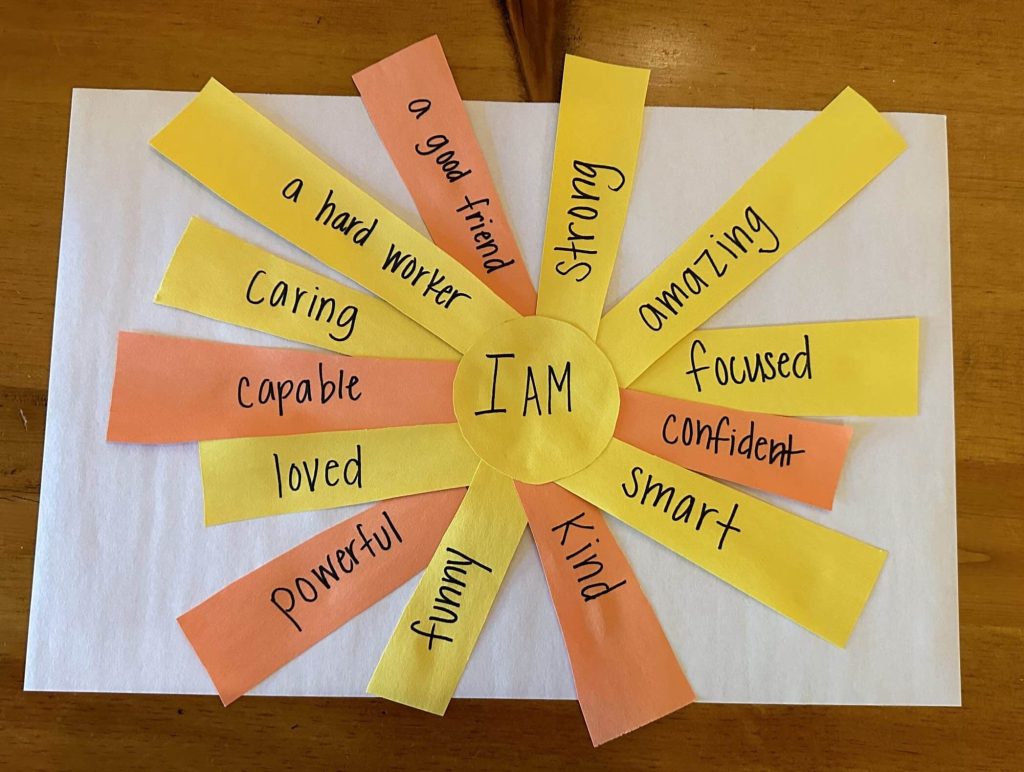
DISCOVER MORE: Click here to learn about the impact of positive affirmations
The Power of Words in Caregiving
In the challenging world of caregiving, where the emotional landscape can shift in an instant, the words we speak to ourselves can hold immense power. Caregivers often grapple with feelings of inadequacy, self-doubt, and exhaustion. Integrating positive affirmations into their daily routines can transform this inner dialogue, allowing caregivers to cultivate a more constructive and nurturing mindset. These affirmations act as a beacon of positivity in the midst of overwhelming responsibilities, reminding caregivers of their inherent strengths and worth.
Crafting Personal Affirmations
Creating personalized affirmations is a crucial step for caregivers seeking to enhance their emotional well-being. It’s essential that these affirmations resonate deeply with the individual’s experiences and feelings. For example, a caregiver might declare, “I am worthy of self-care,” or “Every small step I take is significant.” These statements not only affirm one’s capabilities but also acknowledge the emotional weight of caregiving. Here are some tips for crafting meaningful affirmations:
- Be Specific: Focus on particular qualities or skills you want to reinforce. Instead of a generic statement like “I am a good caregiver,” consider something more tailored, such as “I show compassion and patience daily.”
- Use the Present Tense: Frame affirmations in the present tense to reinforce the belief that these qualities are active and true right now. This technique deepens the emotional connection to the affirmation.
- Include a Positive Emotion: Adding an emotional element can enhance the impact. For instance, “I feel fulfilled when I care for my loved one” can invoke feelings of joy and purpose.
The Benefits of Daily Affirmations
Caregivers who regularly utilize positive affirmations often experience transformative benefits that reach beyond the individual. Here are some of the most significant advantages:
- Improved Mental Clarity: As caregivers clear away negative self-talk, they often find that their thoughts become more focused and clear. This clarity helps with problem-solving and making decisions, crucial components in the caregiving process.
- Increased Positivity: Regular affirmations help foster an overall positive mindset. A positive outlook can lead to improved interactions with those they care for, as caregivers who feel good about themselves are more likely to offer kindness and patience.
- Empowerment: By repeatedly affirming their strengths and capabilities, caregivers can feel more empowered in their roles. This shift not only boosts their confidence but also motivates them to engage actively in their own self-care routines.
Creating a Routine with Affirmations
To fully harness the power of positive affirmations, caregivers should consider incorporating them into their daily routines. Whether it’s reciting affirmations during morning coffee, writing them in a journal, or stating them out loud in front of a mirror, consistency is key. Engaging with these affirmations regularly can engrain them into the caregiver’s psyche, paving the way for a more resilient and uplifting experience while caring for their loved ones.
| Advantages | Explanation |
|---|---|
| Enhanced Emotional Well-being | Positive affirmations can boost self-esteem and help caregivers manage stress. |
| Increased Resilience | By repeating affirmations, caregivers cultivate a positive mindset, leading to better coping mechanisms in challenging situations. |
| Improved Focus | Regular use of affirmations enhances mental clarity, aiding caregivers in making better decisions. |
| Fostering Self-Compassion | Affirmations encourage caregivers to recognize their own needs and promote self-love amidst their responsibilities. |
Positive affirmations serve as more than just uplifting statements; they are a powerful self-care tool that caregivers can leverage to enhance their quality of life. Through consistent practice, caregivers can transform their approach to challenges and nurture their own well-being. By integrating positive self-talk into daily routines, caregivers not only reinforce their strengths but also cultivate a nurturing environment that benefits both themselves and those they care for. Emphasizing the importance of self-care, the integration of affirmations into everyday life can prevent burnout, enhance resilience, and ultimately lead to a more fulfilling caregiving experience. This practice not only benefits the caregiver but also creates a positive ripple effect in the caregiving environment.
DISCOVER MORE: Click here to unlock the secrets of confidence
Integrating Affirmations into Caregiving Practices
For caregivers, integrating positive affirmations into their daily practices can serve as a valuable self-care tool, promoting resilience and fostering a healthy mindset amidst the demanding nature of their responsibilities. This practice can significantly enhance their emotional and mental well-being, making it an essential component of caregiving.
Affirmations in Action: Practical Applications
The beauty of positive affirmations lies in their versatility. Caregivers can adapt these affirmations to fit various situations and challenges they encounter throughout the day. For instance, during stressful moments, caregivers can pause to assert statements like “I manage challenges with grace” or “I am doing my best, and that is enough.” These phrases can act as a calming mantra, helping caregivers navigate their emotions.
An effective strategy is to pair affirmations with daily activities. For example, when preparing meals for a loved one, a caregiver might repeat, “I nourish those I care for with love and dedication.” Not only does this reinforce their role, but it also transforms the task into a mindful, affirming experience. Additionally, caregivers can take advantage of technology by setting reminders on their phones or utilizing apps designed for mindfulness that deliver daily affirmations.
The Science Behind Affirmations
The positive effects of affirmations are not merely anecdotal. Research in psychology supports the notion that self-affirmations can reduce stress and improve coping abilities. A study published in the journal Psychological Science found that self-affirmations can buffer against the effects of stress by enhancing an individual’s sense of self-worth. This is particularly relevant for caregivers, who often face emotionally taxing situations that can lead to burnout.
Furthermore, the American Psychological Association highlights that affirmations can help individuals combat negative thoughts that arise from chronic stress, making them especially beneficial for those in caregiving roles. By reinforcing their self-worth and capabilities, caregivers can develop resilience to the challenges they face daily.
Building a Supportive Community
In addition to personal affirmations, fostering a supportive community can amplify the benefits of positive self-talk. Caregivers can share their affirmations with peers, encouraging a culture of positivity and empowerment. Group discussions or support groups that focus on affirmations can create a collective uplift, reinforcing the belief that every caregiver’s efforts are invaluable and appreciated. When caregivers share their affirmations, they not only support themselves but also serve as encouragement for others who may be struggling with similar feelings of inadequacy.
For instance, an online community can be a safe space for caregivers to exchange affirmations and provide feedback on their experiences. This connection not only serves as a reminder of shared challenges but also highlights the strength found in unity and collective affirmation.
Continuously Evolving Your Affirmation Practice
As caregivers progress in their roles and face new challenges, it’s vital to reassess and evolve their affirmations. What worked a few months ago may no longer resonate today. Periodically taking the time to reflect on their experiences and modifying affirmations accordingly can provide ongoing support. Caregivers might embrace new statements such as “I embrace change and adapt gracefully” or “I am resilient, and I grow from my experiences.” This adaptability in affirmations ensures they remain relevant and powerful tools in the caregiver’s self-care arsenal.
DISCOVER MORE: Click here to unlock powerful affirmations
Conclusion
In a world where caregivers often prioritize the needs of others above their own, positive affirmations emerge as a transformative self-care tool that can strengthen their resilience and reinforce their emotional well-being. By weaving affirmations into daily routines, caregivers can shift their focus from self-doubt and stress to empowerment and self-acceptance. This simple yet profound practice not only enhances personal reflections but also cultivates a positive mindset, which is essential when facing the emotional demands inherent in caregiving.
The science supports these practices; research indicates that affirmations can fortify self-worth and offer a buffer against stress, both crucial for caregivers who frequently experience burnout. Furthermore, sharing affirmations within a supportive community can amplify their effects, creating an environment that fosters collaboration and understanding among peers. The iterative process of evolving these affirmations ensures they remain relevant, adapting to the ongoing challenges caregivers encounter in their roles.
Ultimately, embracing positive affirmations as a self-care tool empowers caregivers to honor their own needs and experiences while continuing to provide compassionate care for their loved ones. By investing time in their mental and emotional health through positive self-talk, caregivers can foster a sustainable balance that nurtures both themselves and those they care for. As the landscape of caregiving continues to evolve, embracing this self-care strategy can pave the way for healthier, more resilient caregivers ready to face each new day with strength and positivity.


